
Lung Cancer Screening: Early Detection Matters
November 09, 2026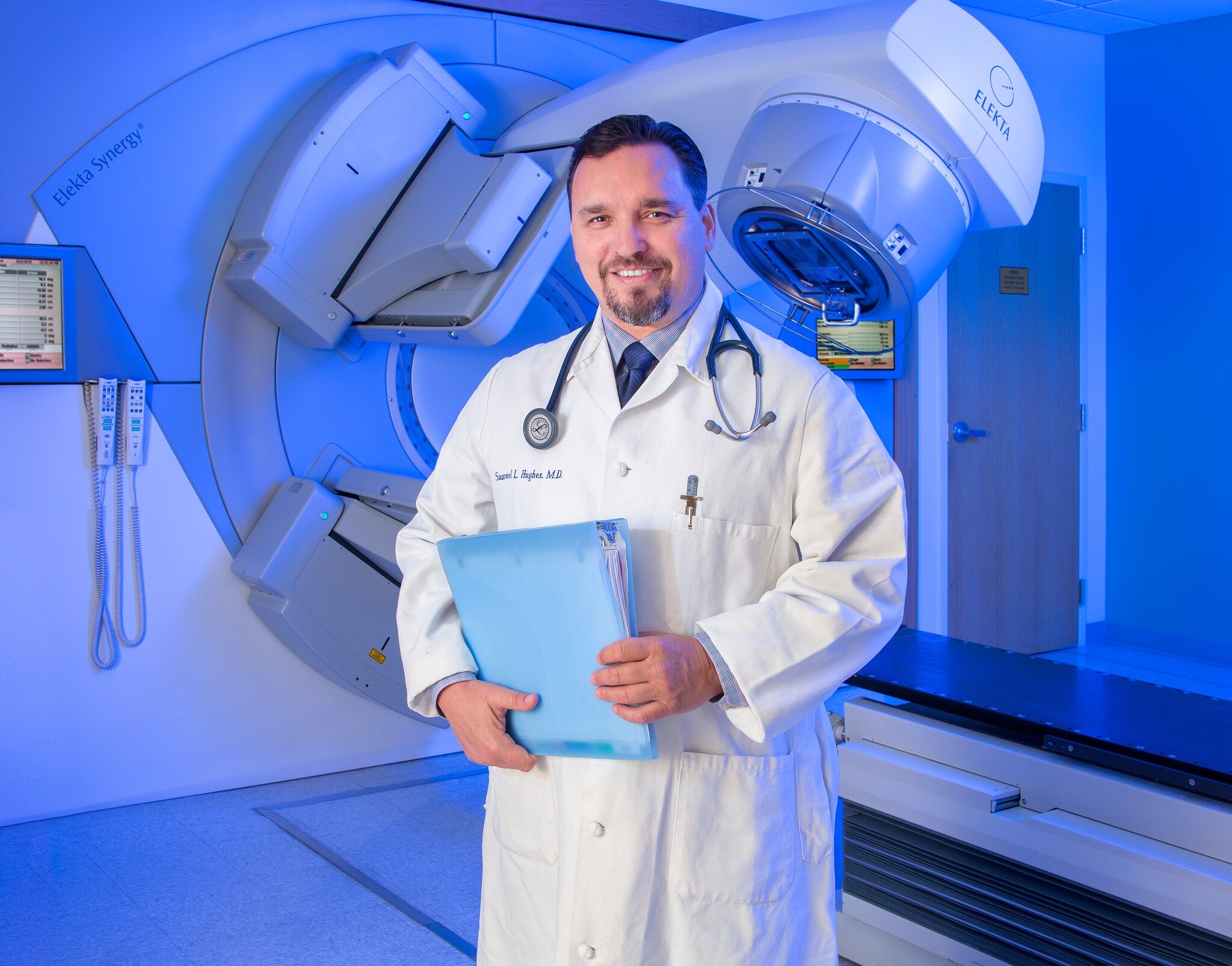
By: Dr. Sam Hughes, Radiation Oncologist, Saint Mary’s Regional Health System
Lung cancer is one of the most common cancers in the United States and remains the leading cause of cancer-related death. While several factors can increase a person’s risk, including family history and exposure to substances such as asbestos, cigarette smoking remains the most important risk factor.
Quitting smoking is one of the best things you can do to reduce your risk of lung cancer. But for people with a significant smoking history, the risk does not disappear immediately after quitting. That’s why regular lung cancer screening may be recommended for some current and former smokers.
November is Lung Cancer Awareness Month, making it a good time to learn more about your risk and whether a low-dose computed tomography (LDCT) scan may be right for you.
What is lung cancer screening?
A low-dose CT scan uses a small amount of radiation to create detailed images of the lungs. The goal is to look for signs of lung cancer before symptoms develop, when the disease may be easier to treat. In fact, the CDC notes that screening people at high risk can reduce lung cancer deaths by finding the disease earlier.
What can I expect during an LDCT scan?
An LDCT scan is quick, painless and noninvasive. During the exam, you’ll lie on a table that moves through a large, ring-shaped CT scanner while images of your lungs are taken.
The scan itself takes only a few minutes and does not require medication or injections. A radiologist will review the images for lung nodules or other abnormalities. Depending on the results, your healthcare provider may recommend routine annual screening, additional imaging or further evaluation.
Should I be screened?
Lung cancer screening is not recommended for everyone. The U.S. Preventive Services Task Force recommends annual LDCT screening for adults who:
- Are 50 to 80 years old
- Have at least a 20 pack-year smoking history
- Currently smoke or have quit within the past 15 years
A pack-year is a way of measuring smoking history. For example, smoking one pack of cigarettes per day for 20 years equals 20 pack-years. Smoking two packs per day for 10 years also equals 20 pack-years.
Screening also has potential risks, including false-positive results, overdiagnosis and radiation exposure, so it’s important to talk with your healthcare provider about whether the benefits of screening outweigh the risks for you.
Don’t wait for symptoms
Lung cancer screening is designed to find disease in people who are at high risk but do not have symptoms. Finding lung cancer earlier can provide more opportunities for treatment and better outcomes.
This Lung Cancer Awareness Month, take a few minutes to think about your smoking history and your risk. If you think you may qualify for screening, talk with your primary care provider about whether an annual low-dose CT scan is right for you.
To learn more about your lung cancer risk, talk with your primary care provider or take our Health Risk Assessment at SaintMarysRegional.com/lung. For additional information about lung cancer risks, screening and prevention, visit the CDC or American Cancer Society.