
Saint Mary's Encourages Women to Prioritize Breast Health During Breast Cancer Awareness Month
October 01, 2026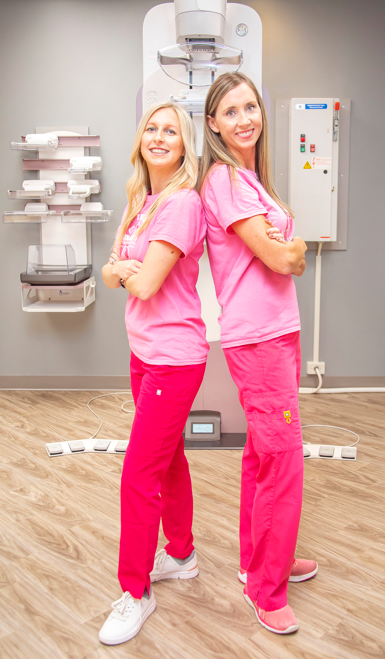
October is Breast Cancer Awareness Month, a time to recognize the impact breast cancer has on individuals, families and communities while encouraging women to take proactive steps to protect their health.
Breast cancer is the second most common cancer among women in the United States and remains one of the leading causes of cancer-related death among women. According to the Centers for Disease Control and Prevention, nearly 288,500 new breast cancer cases were reported among women in the United States in 2023. While those numbers are significant, early detection continues to improve outcomes, making regular screening mammograms one of the most important preventive health measures women can take.
Nationally, approximately one in eight women will develop breast cancer during her lifetime.
"Breast Cancer Awareness Month serves as an important reminder to prioritize your health and schedule recommended screenings," said Kayla Shinn, director of imaging services at Saint Mary’s. "Mammograms can detect breast cancer before symptoms develop, when treatment is often most effective."
According to the CDC, about two-thirds of breast cancers are diagnosed while still localized to the breast, and women whose cancer is detected at an early stage have significantly better outcomes. Five-year survival rates exceed 99% when breast cancer is found before it has spread beyond the breast.
A mammogram is a low-dose X-ray that can identify abnormalities in breast tissue before they can be felt. Many breast cancers do not cause noticeable symptoms in their earliest stages, making routine screening especially important. Mammograms can help detect cancer earlier, often leading to less extensive treatment and improved outcomes.
Current screening recommendations vary based on age, risk factors and family history, but many women should begin regular mammograms at age 40. Women should discuss their personal risk factors and screening schedule with their healthcare provider.
While screening mammograms are designed for women without symptoms, diagnostic mammograms and breast ultrasound may be recommended when a patient experiences a lump, pain, nipple discharge or other changes in the breast. These additional imaging services provide more information and help physicians determine next steps in care.
In addition to routine screenings, Saint Mary's encourages women to be familiar with their normal breast appearance and to promptly discuss any changes with a healthcare professional. Symptoms such as a new lump, changes in breast size or shape, nipple discharge, persistent pain, skin dimpling, thickening, or unexplained redness should not be ignored.
Saint Mary's offers comprehensive breast imaging services close to home, including screening mammograms, diagnostic mammograms and breast ultrasound. These tools help physicians evaluate breast concerns, detect abnormalities and determine whether additional testing is needed. Early detection remains one of the most effective ways to reduce breast cancer deaths and improve treatment outcomes.
Women who are due for a screening mammogram are encouraged to schedule an appointment at 479.964.5999.